
Welcome
Letter from the editor
Opinion piece
The power of authenticity
Destination focus
Vancouver
Destination focus
Denver
Opinion piece
Beyond the Chatbot
Meet the team
Haley Stevens
Destination focus
Marrakech and Fes
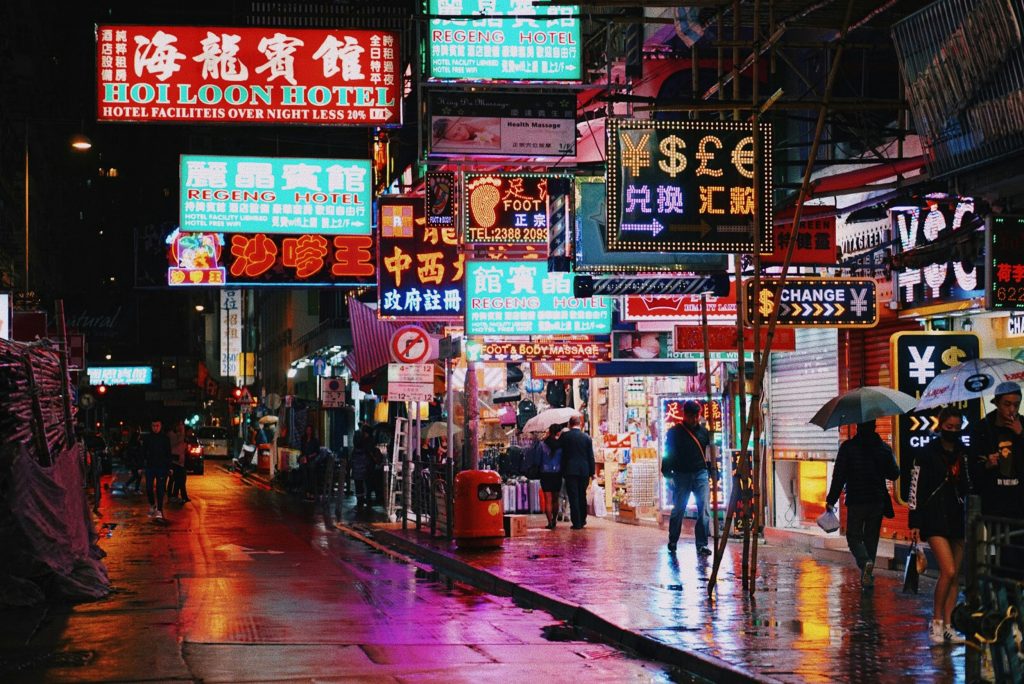
Hong Kong
Looking again at Hong Kong
Creative Quarter
Tight budgets, sharper ideas
Welcome
Letter from the editor
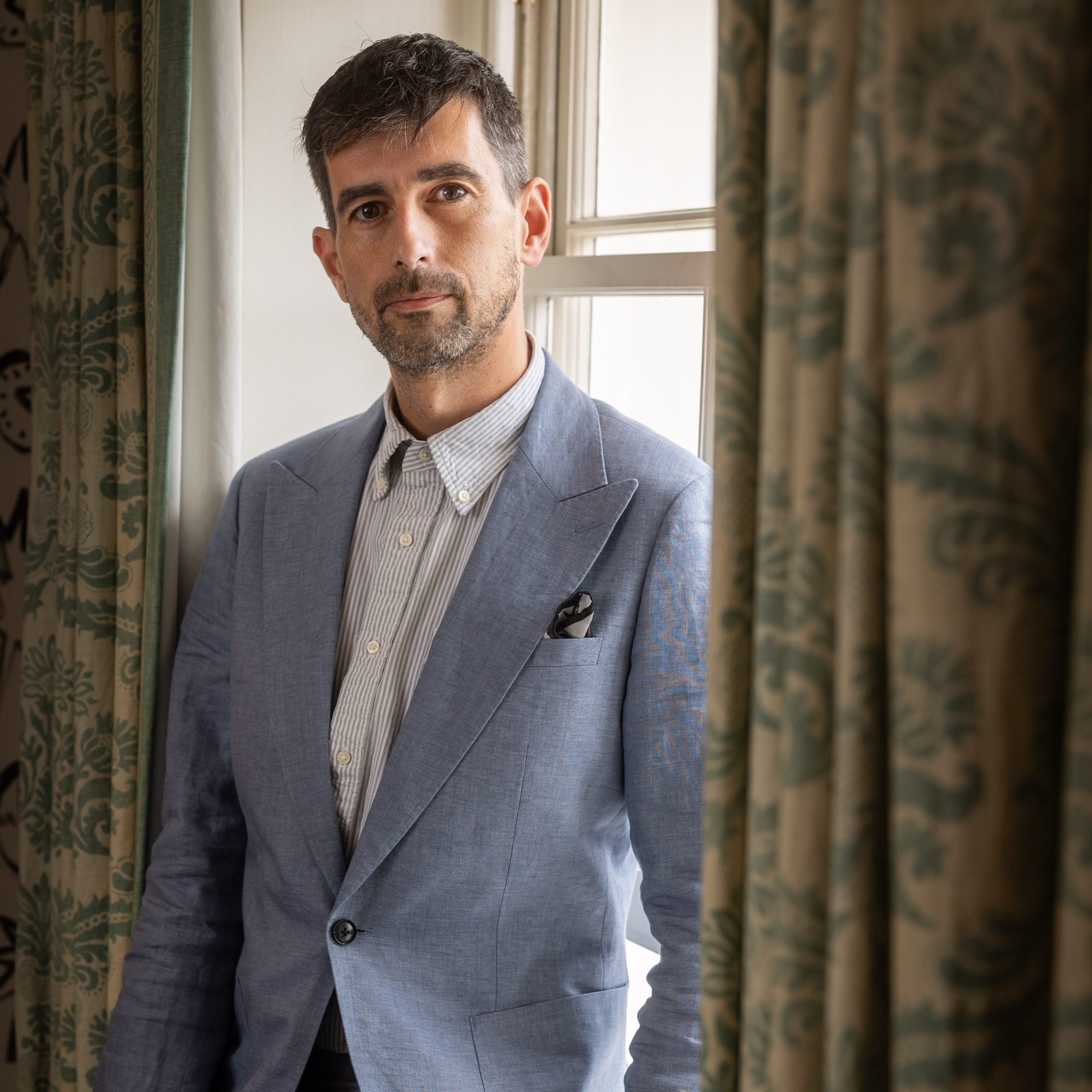
Tom Oliver
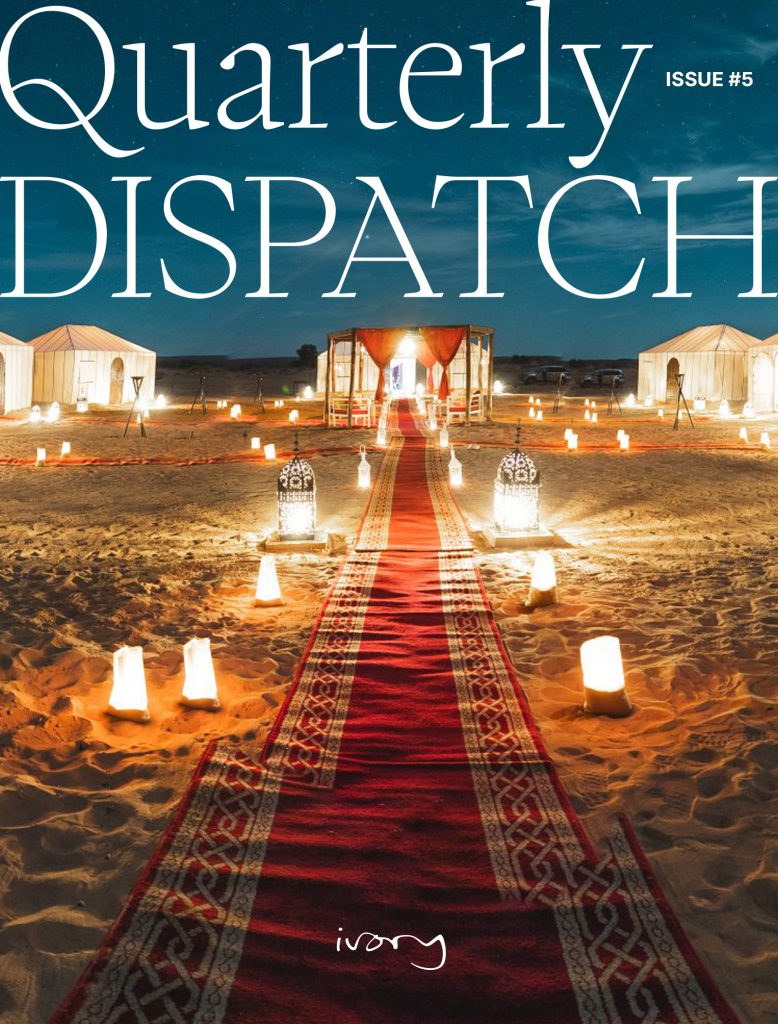
Summer is in full swing, and we’re delighted to share the latest edition of the Ivory Dispatch. This issue takes you from Denver’s mile-high energy and ETHDenver’s builder culture, to Vancouver’s under-the-radar appeal since hosting FIFA World Cup matches, the intimate riads of Marrakech and Fes as the Sahara’s heat finally breaks, and a fresh look at Hong Kong’s harbour-led hospitality.
Alongside our destinations, we’re exploring what tight budgets are teaching us about authenticity in B2B events, asking whether agentic AI is ready to take on the operational grind of event planning, and reflecting on why taste and human judgement matter more than ever as AI reshapes brand experiences.
We also catch up with Haley Stevens from our US team on her first year at Ivory.
As always, thank you for reading, and let us know if anything here sparks ideas for your 2027 programmes.
Tom and all at Ivory
Opinion piece
The power of authenticity
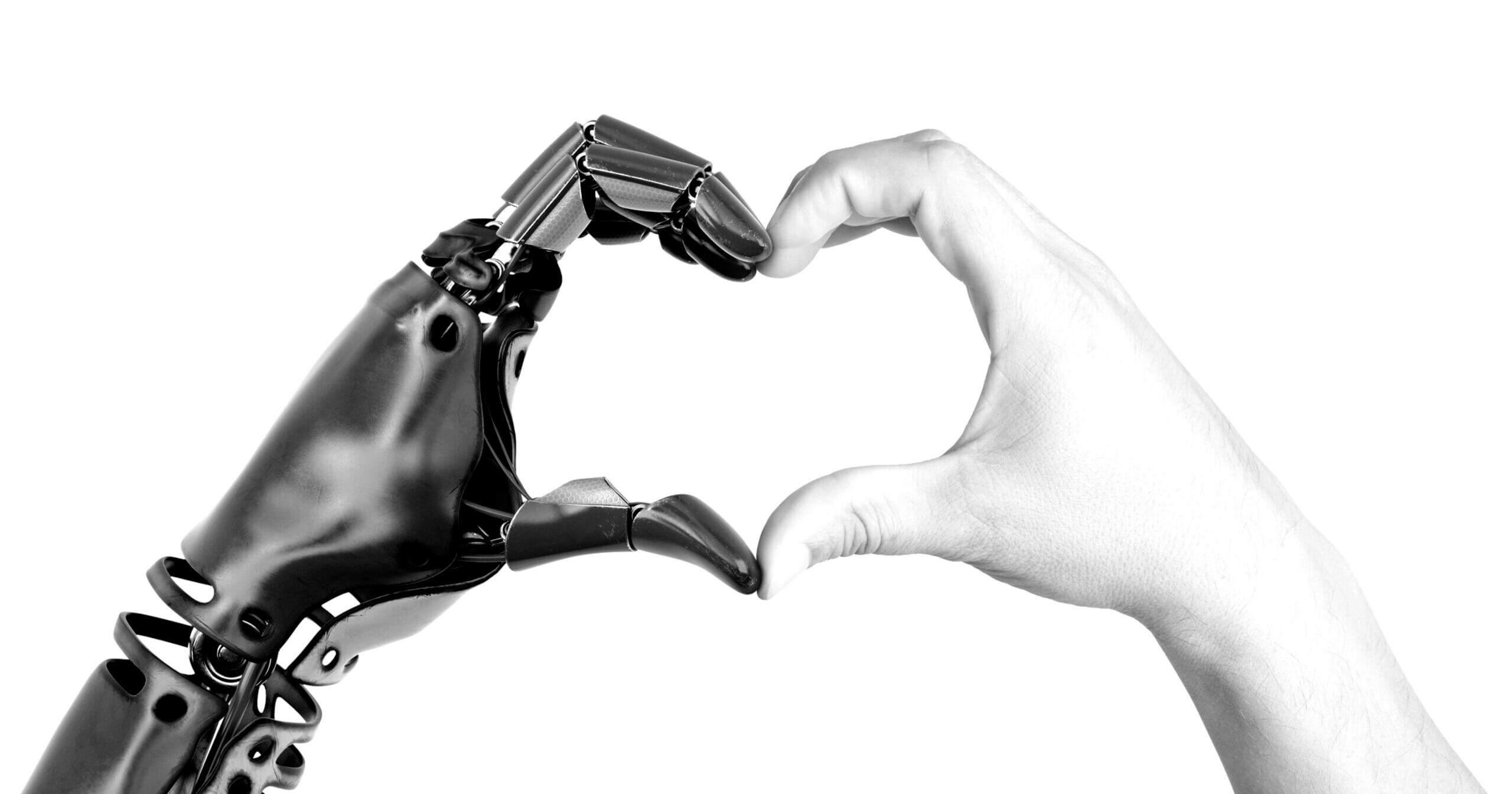
AI has made producing a brand experience easier than at any point in our industry’s history. A stage script, a run of show, a set of renders, a bank of social content to amplify it afterwards — all of it can now be drafted, generated or storyboarded in a fraction of the time it used to take. The risk sitting underneath that speed is real: when everyone has access to the same models, the easy version of an experience starts to look and feel the same everywhere it’s built.
What actually differentiates one brand experience from another hasn’t changed, even if the tools have. It still comes down to three things: a genuinely distinct point of view rather than a generic brief, emotional depth that makes a room feel something rather than simply observe it, and taste — the instinct to know what’s landing and what isn’t, in real time, in the room. None of those are things a model can generate on its own. They’re editorial judgments, made by people who’ve spent years learning what actually moves an audience.
It’s a principle playing out well beyond events. Grace Wang, co-founder of the AI video platform OpusClip, made a similar observation to Google for Startups about the current explosion of AI-generated content: the tools have democratised production, she argued, but not taste, and as automation accelerates, she said “story judgment, taste, and unique points of view are becoming exponentially more valuable.” The medium is different, but for anyone designing brand experiences, the logic transfers directly.
It shows up most clearly live. Audiences can tell the difference between a moment that was designed and one that was generated, even when they can’t say exactly why — a scripted line delivered by a real voice with real conviction still lands differently to anything rendered or AI-assisted. That gap doesn’t close as the technology improves; if anything, it becomes more obvious, because generic execution gets cheaper and easier to spot everywhere else.
The practical implication for our industry is about who we hire and how we build teams, not whether we use the tools. The most effective people on any experience team increasingly act less like operators executing a brief and more like creative directors — briefing AI, editing its output, and stepping in exactly where judgment is needed. Production accelerates. The taste, the point of view, and the willingness to say that’s not quite right yet, stay firmly human.
The tools will keep getting better and cheaper. The talent that knows what to do with them is what won’t be.
Destination focus
Vancouver: The West Coast City We Should Have Covered Sooner
Vancouver spent the summer as a FIFA World Cup 2026 host city. With the stadiums quiet again, it’s worth asking what the city offers once the tournament excitement fades — and for corporate groups, the answer is quite a lot.
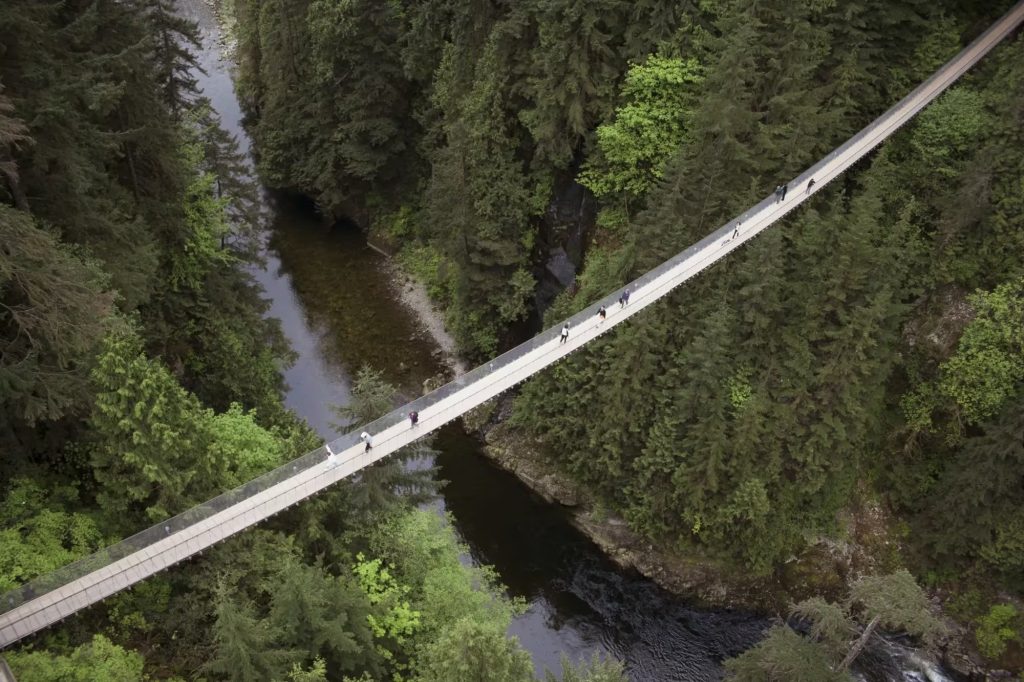
Vancouver was one of two Canadian host cities for FIFA World Cup 2026 this summer, alongside Toronto — a tournament we looked back on a few pages ago. Host status brought new hotel openings, transit upgrades and a level of global attention the city doesn’t always get relative to Toronto or the US coast. The tournament has moved on, but the polish it leaves behind hasn’t, which makes this exactly the right moment to put Vancouver back on the shortlist for 2027 programmes, before the rest of the industry catches on.
The city’s real advantage, though, has nothing to do with football. Vancouver is one of the only places in North America where snow-capped mountains, a working harbour and old-growth rainforest all sit within a fifteen-minute drive of a genuinely world-class downtown. Delegates can be in back-to-back meetings all morning and hiking the Grouse Grind or paddleboarding off Kitsilano Beach by mid-afternoon — a contrast that does a lot of the work for you when you want a programme that feels expansive rather than another conference hotel.
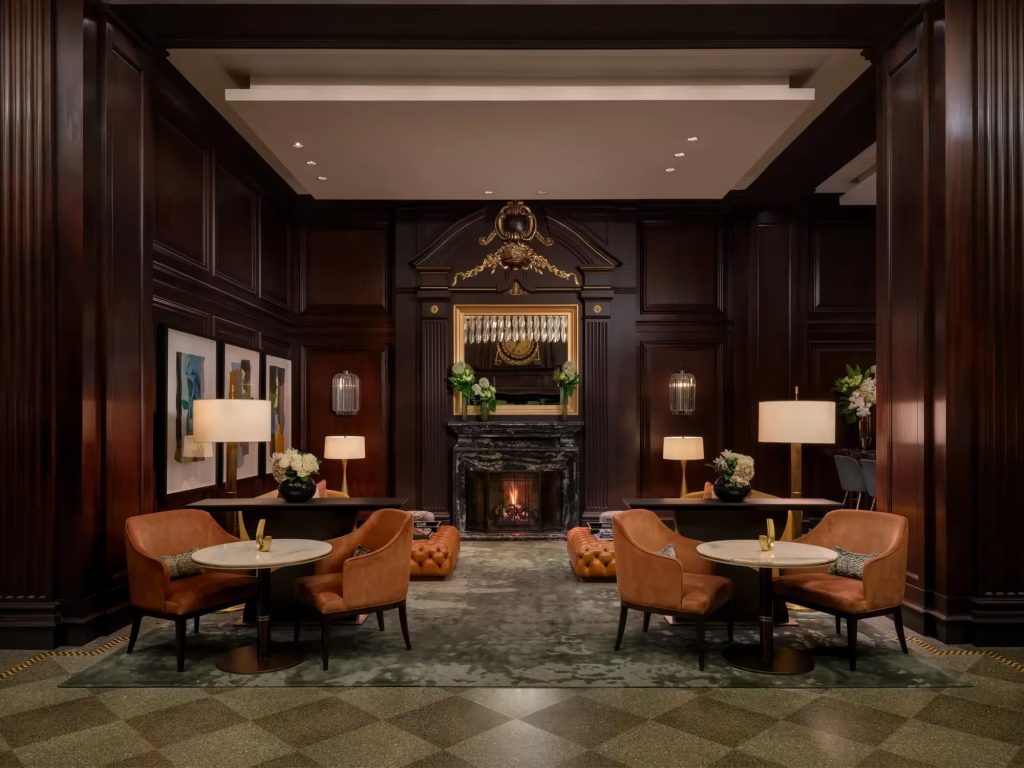
For the meetings themselves, Fairmont Hotel Vancouver is the grand dame of the city: 22 versatile venues across 63,000 square feet, from a boardroom for twelve up to a ballroom for a thousand, all under a château roofline in the heart of downtown. Fairmont Pacific Rim — voted the World’s Best Business Hotel by Condé Nast Traveler readers — trades history for glass and mountain views, and remains our first call for a leadership group that wants the room itself to make an impression. Four Seasons Vancouver rounds out the shortlist for something more understated. Or a favourite of ours, the beautiful downtown retreat of the Rosewood Georgia, complete with 9,000 square feet of indoor event space and exclusive specialty suites with rooftop terraces.
The dining scene has quietly become one of the best reasons to bring a group here at all. Five Sails at the Pan Pacific looks straight out over the harbour to Stanley Park and the North Shore mountains — hard to beat for a closing dinner. Botanist inside Fairmont Pacific Rim leans into West Coast produce in a genuinely beautiful room, and Blue Water Café in Yaletown remains the standard for a seafood-driven private dinner. For something with real history behind it, Le Crocodile has been quietly serving classic French cuisine to Vancouver’s business community for over thirty years.
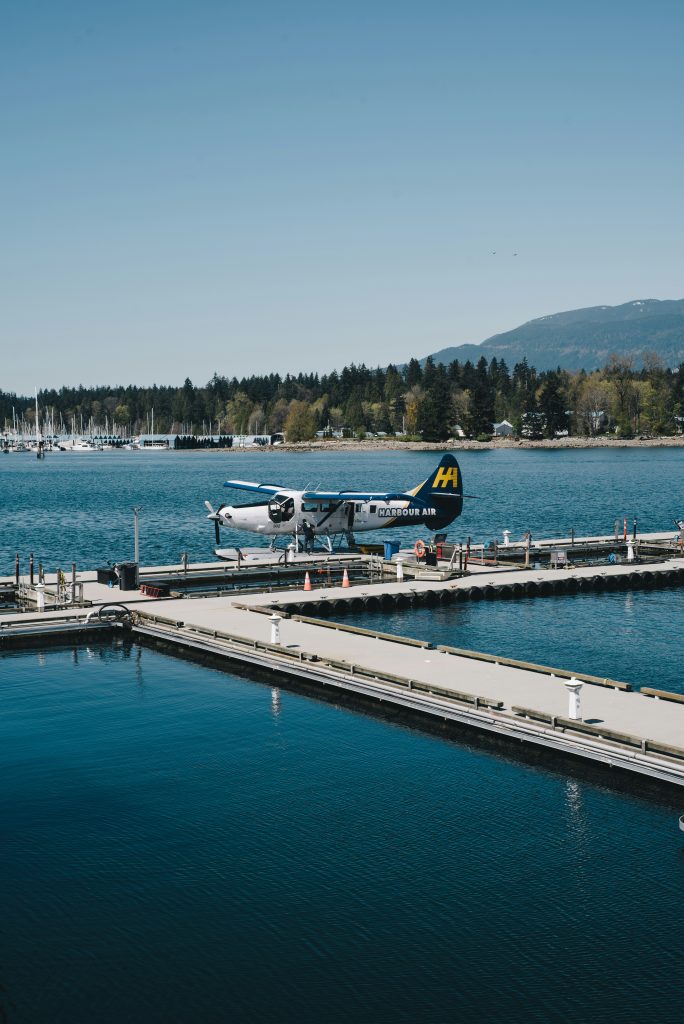
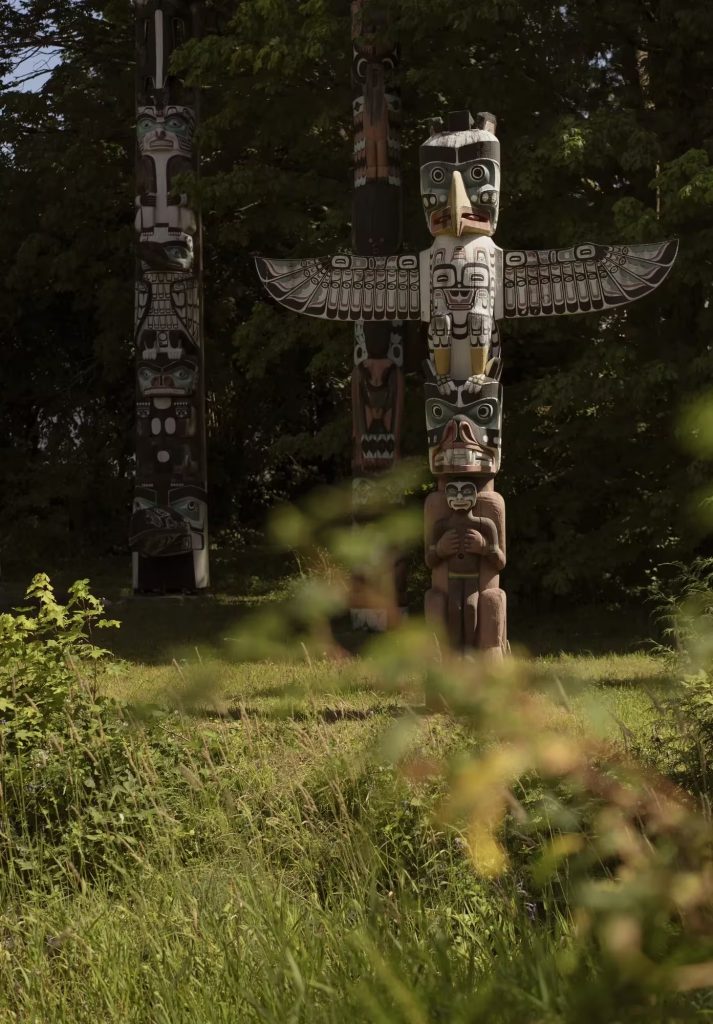
Once the working sessions are done, two side trips make Vancouver worth an extra day either side. The Okanagan Valley, a short flight or scenic drive east, is home to more than 200 wineries strung across 200 kilometres of lake and desert-climate vineyard — operators such as Bare Wine Tours specialise in large-scale corporate touring, with private itineraries built around a group’s timing and taste rather than a fixed bus route. Closer to home, Harbour Air flies scheduled seaplanes downtown-to-downtown from Vancouver Harbour to Victoria in just 35 minutes — a genuinely memorable way to move a group across the water, and for those looking for a real retreat travel on to the Wickannish Inn – Perched on a craggy outcrop at Chesterman Beach, this famous spot offers dramatic storm-watching, fine dining, and the Ancient Cedars Spa.
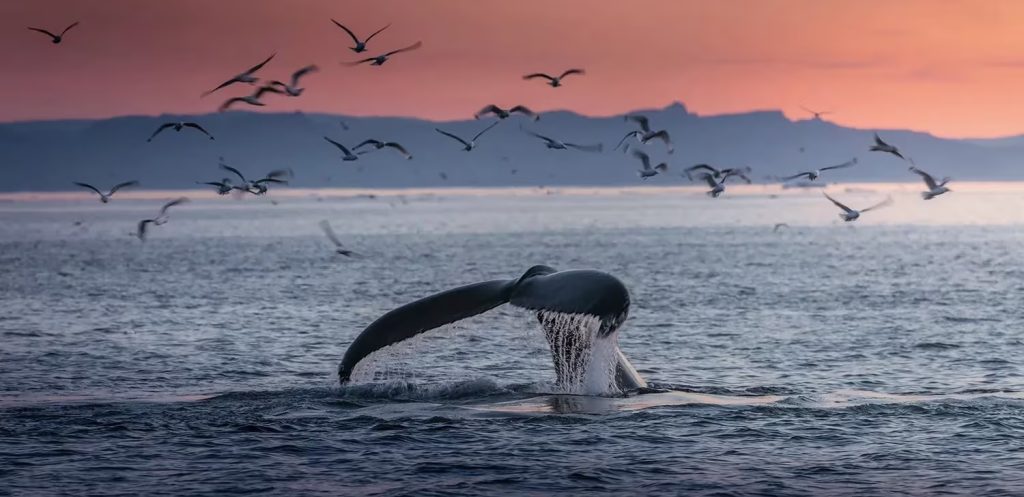
A city that can do glass-tower boardrooms, harbour-view fine dining, wine country and a seaplane crossing all inside three days doesn’t come around often. We’re not sure why it’s taken us this long to write about Vancouver — let us know if you’d like us to build a programme around it.
Destination focus
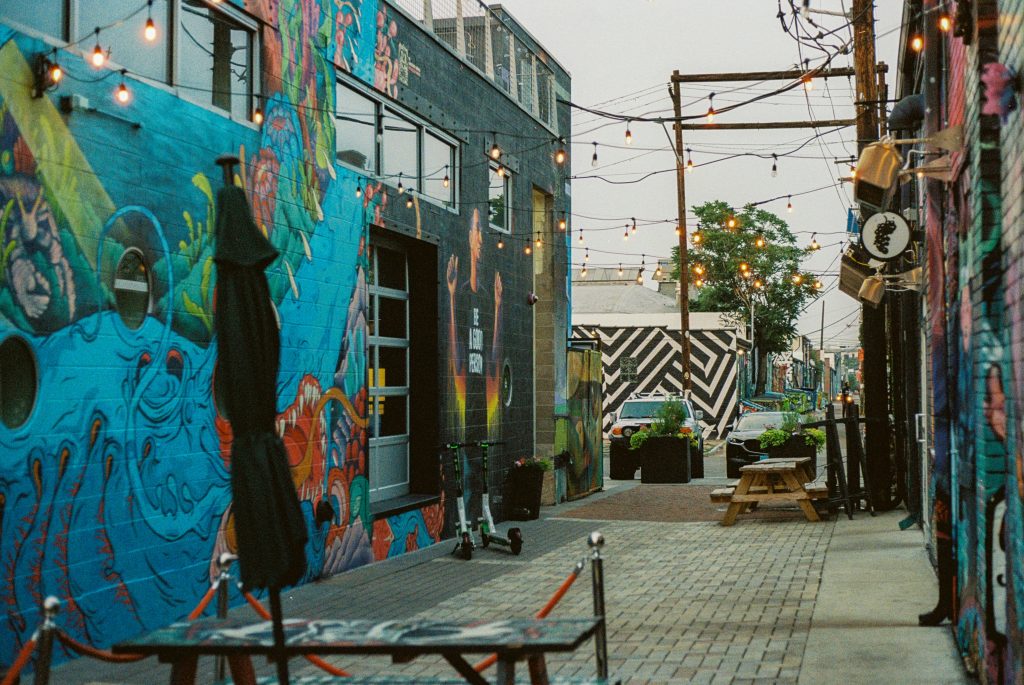
Denver
A mile-high city with the Rockies at its back door, where a genuine outdoor culture meets one of the busiest convention calendars in the American West.
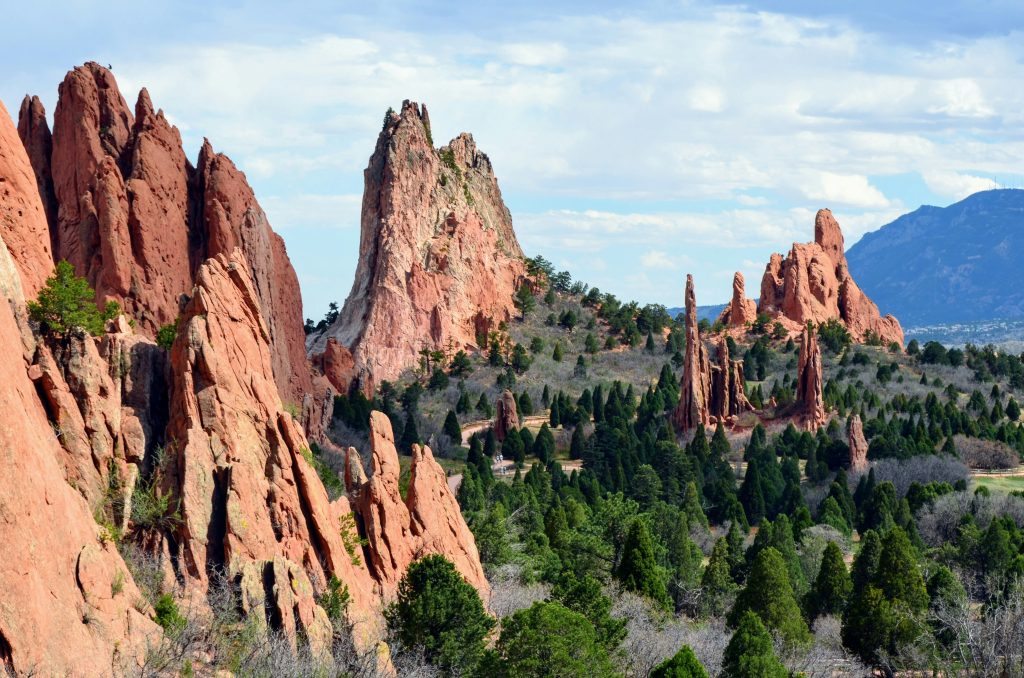
Denver’s appeal for groups starts with geography: a genuinely central US location with direct flights from both coasts, a walkable downtown, and — within an hour’s drive — some of the most dramatic scenery in the country. Add a civic culture built as much around trail running and craft beer as boardrooms, and it’s easy to see why the city’s convention and incentive business keeps growing.
At the heart of downtown, The Brown Palace Hotel and Spa has been Denver’s grand dame since 1892 — one of the first atrium-style hotels ever built, and a National Historic Landmark that has hosted eight US presidents and The Beatles. Its Grand Ballroom and dedicated meeting spaces sit alongside four restaurants and a full spa, with the hotel’s famous afternoon tea served beneath a stained-glass atrium ceiling that still stops first-time guests mid-sentence.
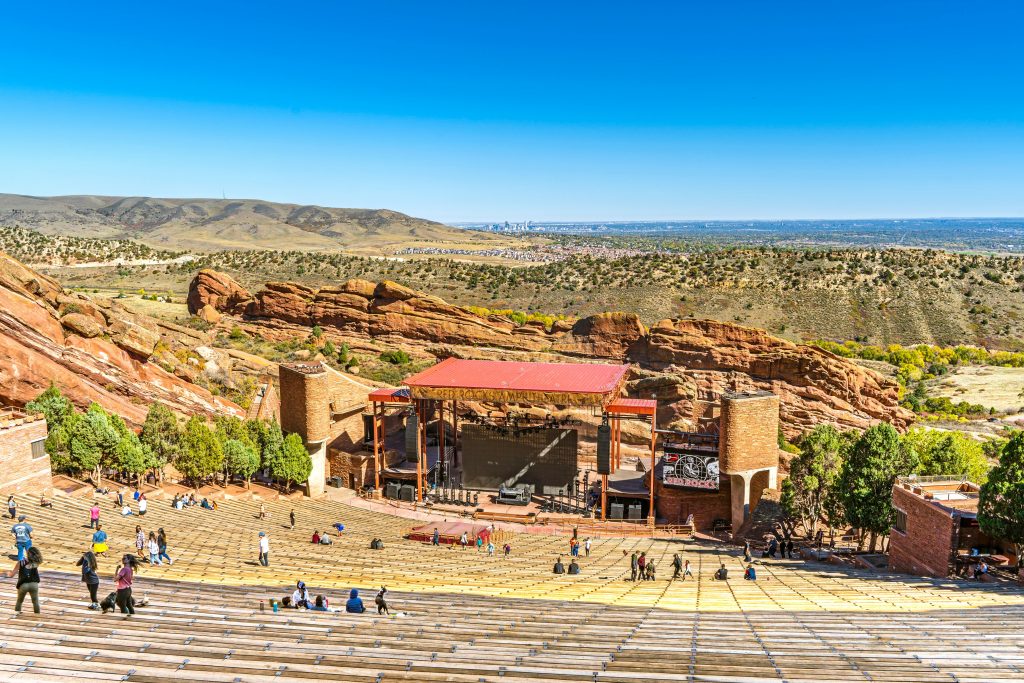
Beyond the hotel, delegates are rarely more than a short drive from somewhere genuinely spectacular. Red Rocks Amphitheatre, a natural rock-cut concert venue twenty minutes outside the city, can host private events and sunrise yoga sessions alongside its famous gigs; the RiNo Art District pairs street murals with some of Denver’s best breweries for an easy evening off-site; and a morning at the Denver Botanic Gardens or on the trails above the city works as a genuine reset before an afternoon session.
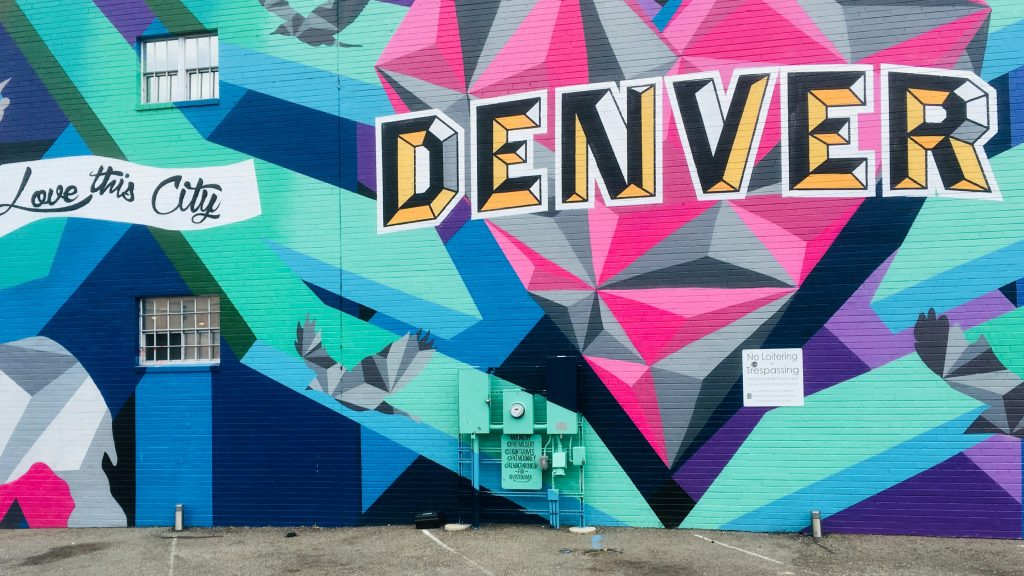
RiNo district’s warehouse energy is also what makes it the natural home for one of the city’s biggest annual gatherings: ETHDenver, a week-long festival of talks, hackathons and builder culture that has grown into one of the largest events of its kind anywhere in the world. We activated there ourselves this year, taking over a venue in RiNo with BNB Chain for a full programme of talks and hacks.
For groups with an extra day, Rocky Mountain National Park is under two hours away, and Boulder — all foothills, bookshops and farmers’ markets — makes for an easy, low-key half-day out of town. Both make the case for building real time into an itinerary rather than treating the mountains as a backdrop for a single photograph.
Denver rewards groups who want more than a conference room. Let us know if you’d like to build a programme around it.
Opinion piece
Beyond the Chatbot: Agentic AI Enters the Event Planning Workflow
In Issue #4 we asked whether AI is coming for the copywriters. This time, the question is different: what happens when AI stops waiting to be asked, and starts doing the work itself?
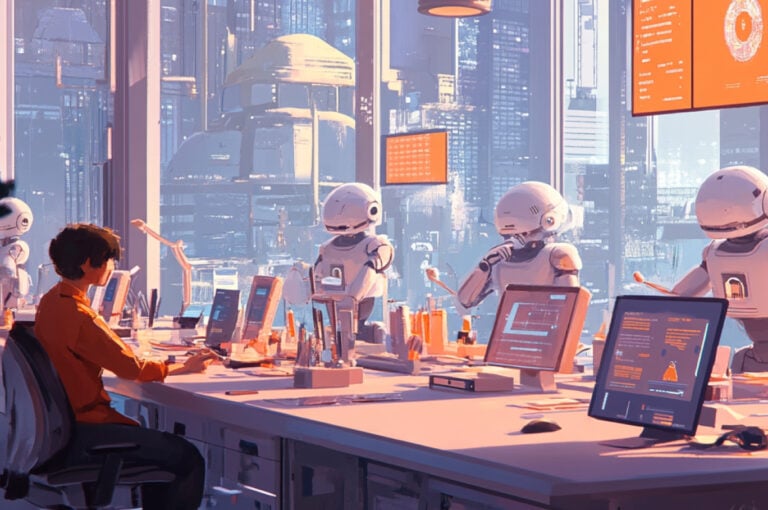
An “agentic” AI system doesn’t just answer the question in front of it. Give it a goal, and it works out the steps, takes action across whatever tools it’s connected to, checks its own output, and adjusts when something goes wrong. Through 2026, that shift has moved from theory into the parts of event planning nobody particularly enjoys doing by hand.
The most interesting signals sit in what one industry write-up nicely calls “operational drag”. There are promising early trials rather than settled ways of working, and every one of them needs testing against real programmes before we’d trust it with anything guest-facing.
It’s worth being honest about where this actually is, and where the real work sits. Agentic AI in events is being trialled and measured, tested against outcomes. Handing any system autonomy over vendor communications, guest data or scheduling decisions carries real risk: an agent that quietly mishandles a VIP’s dietary requirements or double-books a supplier doesn’t fail gracefully, it fails in front of a client. The potential is genuine, but it only becomes useful once it has been tested properly, risk-assessed against what could go wrong, and rolled out with clear human oversight at every stage — not adopted simply because it’s fast.
That’s really the same point Lawrie Doran made about copywriting in Issue #4: AI is very good at absorbing repetitive, templated work, and no substitute at all for judgement. The difference with agentic AI is that the “repetitive work” it’s reaching for has moved beyond words on a page and into the operational grind — RFPs, schedules, vendor emails — that used to eat the middle of every project timeline.
That’s a genuine opportunity for our teams to spend more time on the part of the job that still needs a person in the room: reading what a client actually means, catching the vendor problem before a guest ever sees it, noticing that a schedule technically works but will exhaust everyone living through it. But it’s an opportunity we intend to earn carefully, testing each use case on our own work long before it touches a client programme, rather than assuming speed equals safety.
As our Digital Director Jon Hodges put it back in Issue #2: let the machines do the heavy lifting, but never let them own the thinking. Agentic AI so far is the clearest sign yet of exactly that balance in practice.
Meet the team
Haley Stevens
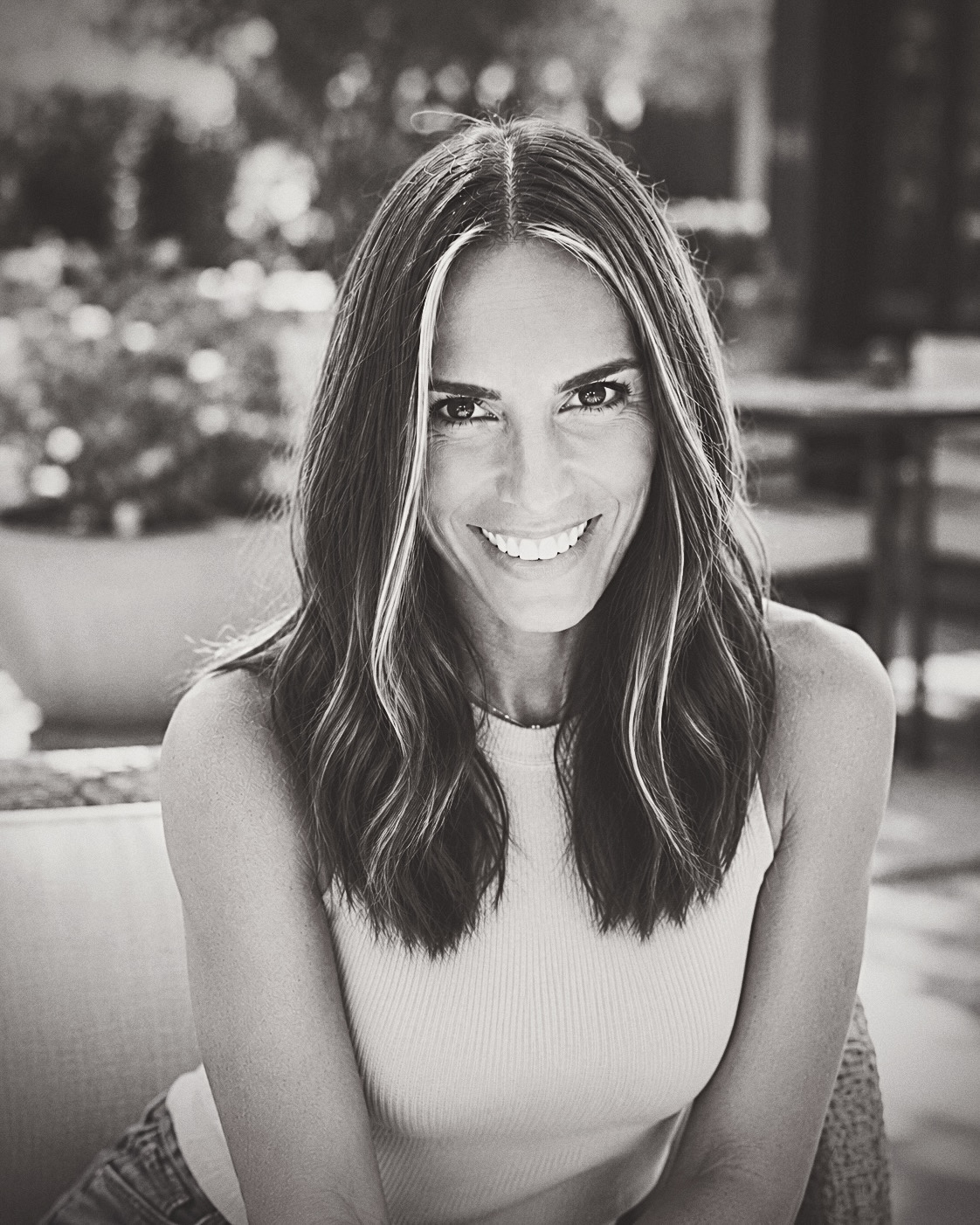
In this edition, I spoke to Haley Stevens, who joined the US team as a project coordinator in July 2025 to see how she has found her first year at Ivory.
How did you find your way into the world of brand experiences?
I’m a former teacher turned stay-at-home mom with a passion for people, creativity, and an inability to sit still for very long! My love for connecting with others, bringing ideas to life, and creating memorable experiences led me to explore new opportunities. When someone who knows me well reached out about a position at Ivory, it felt like the perfect fit.
Great and so, after the first twelve months what have you found you like most about your role?
I love that my role lets me work with many different people and be part of a variety of event areas and projects. No two days are the same!
It’s been a busy year over in the US, what have been some of your highlights so far?
One of my most memorable moments was the SLK event giveaways, specifically the 350 backpacks that Rachel and I unpacked, organized, and stuffed with individual items that each had to be opened and placed perfectly. It was definitely one of those “this is a lot of backpacks” moments, but we laughed our way through it and got it done!
Another highlight was the HP One EO Neon Cowboy-themed offsite evening. I loved seeing all the unique activations, like the neon living statues, and watching the many details I had been planning for months come together to create a memorable experience for attendees. And of course, the HP/AMD Category Challenge event in Maui was a pretty incredible place to spend a work week alongside an amazing event team!
If I have a backpack job, I now know who to ask! And outside of work, what makes you tick?
With three kids, Hadley (11), Cohen (9), and Cannon (6), my hobbies look a little different these days! Most of my free time is spent at sporting events, making snacks, and managing their very busy social calendars (which may or may not count as a full-time hobby).
When I do get a little downtime, I love to read, especially by the pool, take on a new project, or do a little shopping.
Ok so one final question you sound very busy right now, what brought you to Ivory?
More like “who” brought me to Ivory… Alana! I’m so grateful she saw the potential fit and opened the door to an opportunity that has allowed me to grow, learn, and be part of such an amazing team.
Great, that’s lovely to hear Haley – it’s brilliant to have you part of the team supporting the US team, our wonderful clients… and a lot of work on our ISO sustainability. Thank you.
Destination focus
Marrakech and Fes
Morocco’s Season for Intimate Executive Retreats.
As the Sahara’s summer heat finally breaks, Morocco enters its finest season for intimate leadership gatherings — one foot in the medina, one foot in the dunes.
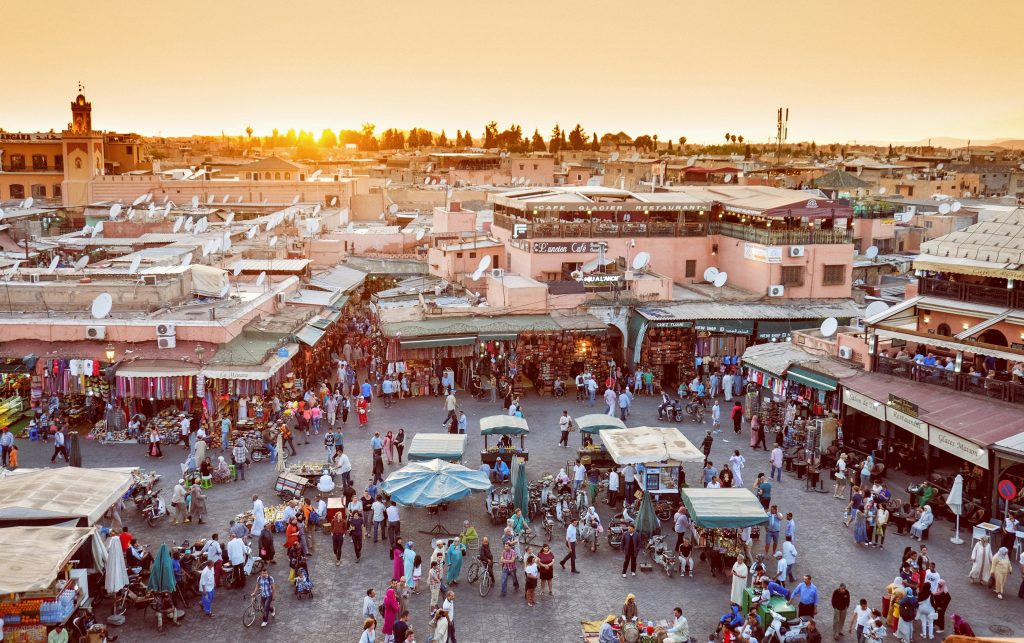
Marrakech in October and November is a different city to the one most visitors know. The crowds have thinned, the light softens across the Atlas Mountains, and the walled medina settles into exactly the pace that makes it such a compelling backdrop for a leadership offsite.
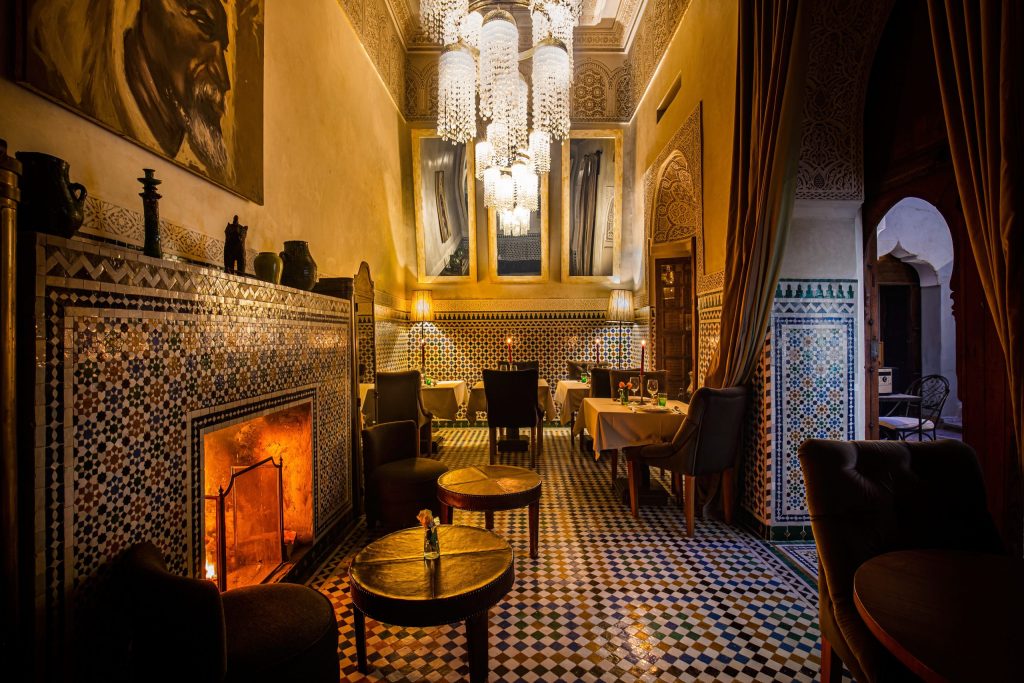
The riad remains our favourite format here. Royal Mansour Marrakech is a private medina in its own right — 53 individually designed riads, each with its own garden, plunge pool and staff, built for exactly this kind of tailor-made gathering. For a smaller group wanting full exclusivity, Riad Le Rihani can be taken over entirely — around ten rooms and dedicated meeting space, small enough that a leadership team actually has to talk to each other. Four Seasons, Mandarin Oriental, La Mamounia and Selman Marrakech round out the shortlist, each with a MICE team well versed in building a programme around your objectives rather than a set menu.
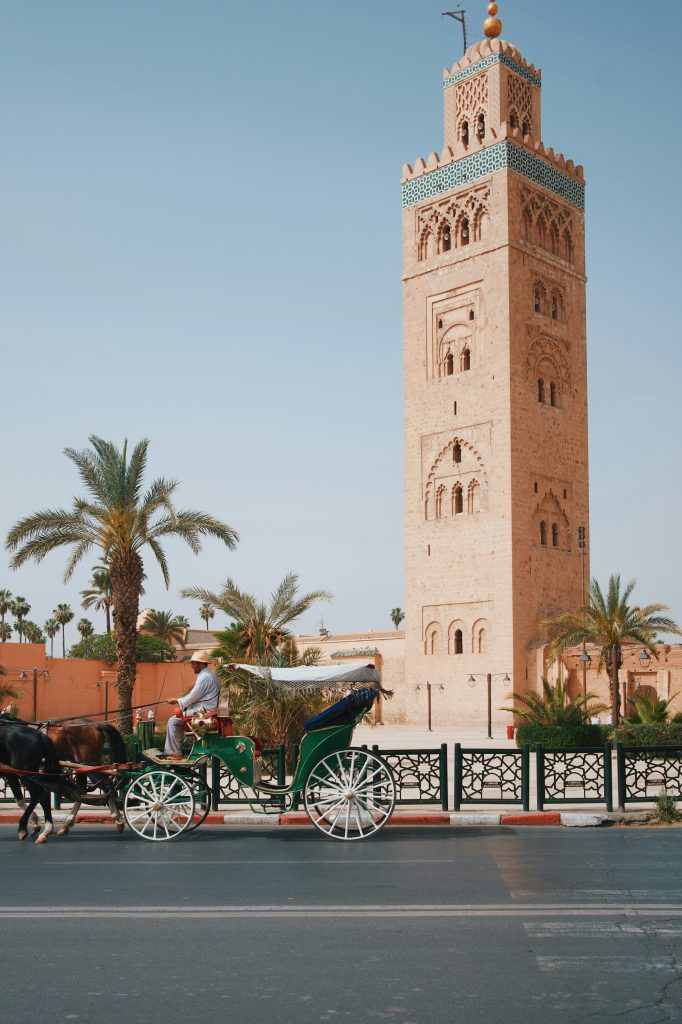
The best evenings tend to happen off the agenda entirely: a candlelit dinner in a historic kasbah, a cooking class with a local chef, an afternoon at the hammam built in as a deliberate counterweight to the working sessions.
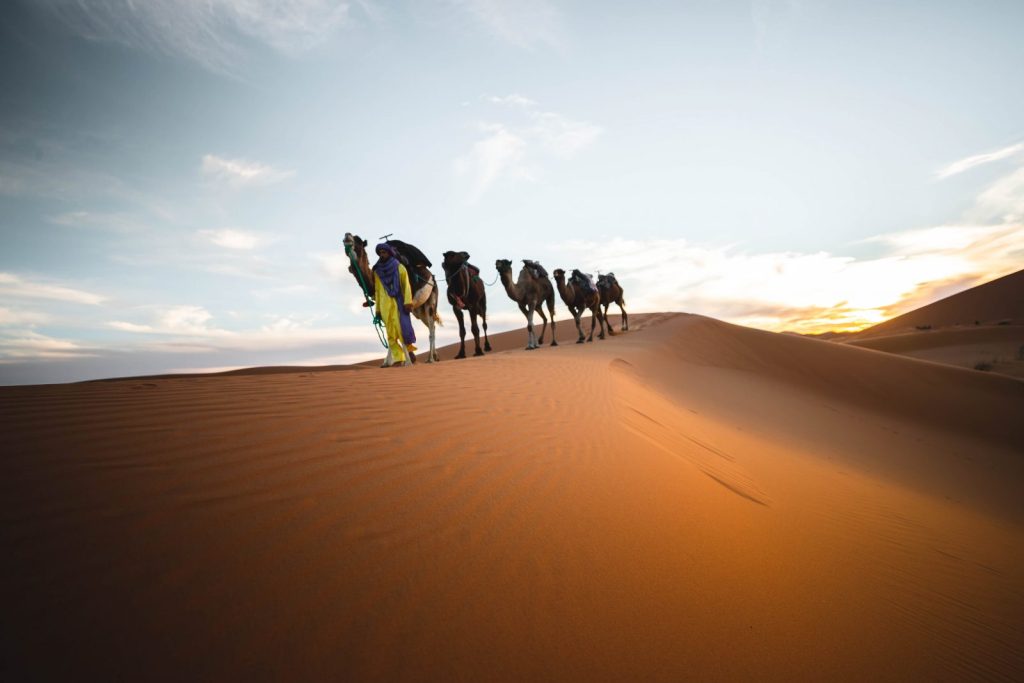
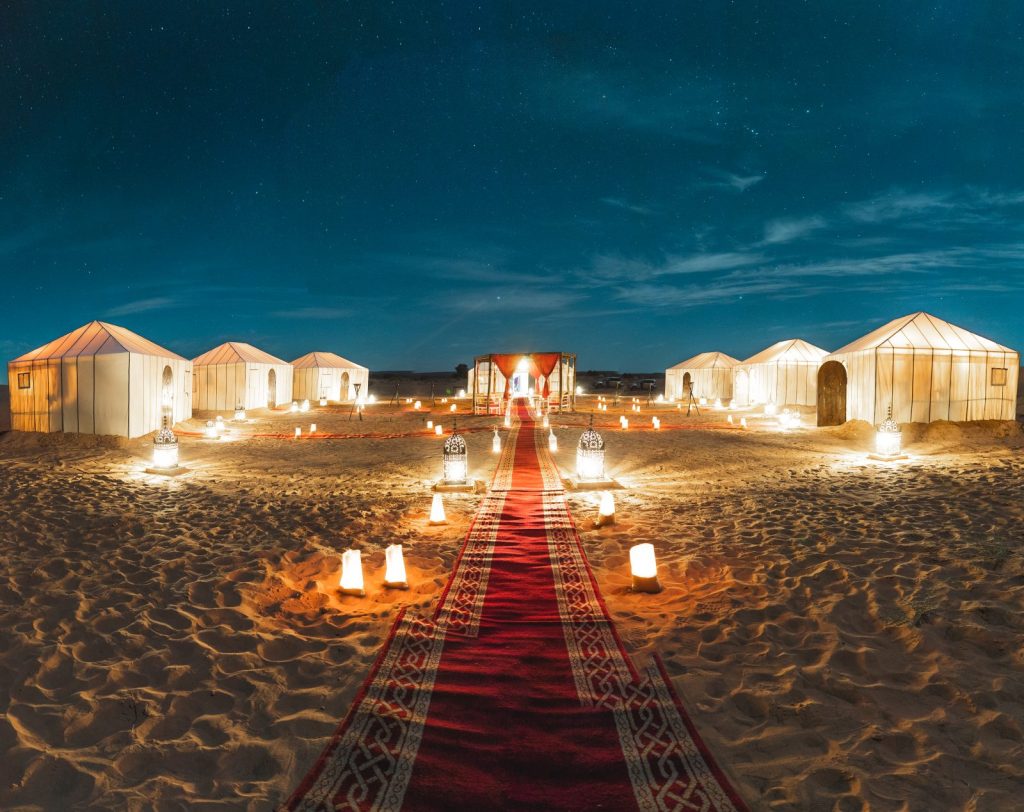
Head north-east from Fes, through the Middle Atlas, and Morocco changes register completely. At the dunes of Erg Chebbi near Merzouga, Tiziri Camp has built its eco-luxury camp specifically around corporate retreats and leadership development: proper beds inside Berber-designed tents, a kitchen turning out Saharan-inspired Moroccan food by candlelight, and a programme that can flex from sunrise yoga to guided 4×4 exploration to an evening under some of the darkest, clearest skies in North Africa. It rather does the persuading for you — nobody needs telling twice that a strategy session at sunset in the Sahara is worth remembering.
Looking again at Hong Kong
A city where dim sum kitchens sit beneath glass towers and a harbour crossing can be the most memorable part of the itinerary — Hong Kong remains one of Asia’s sharpest destinations for groups who want the skyline to do some of the talking.
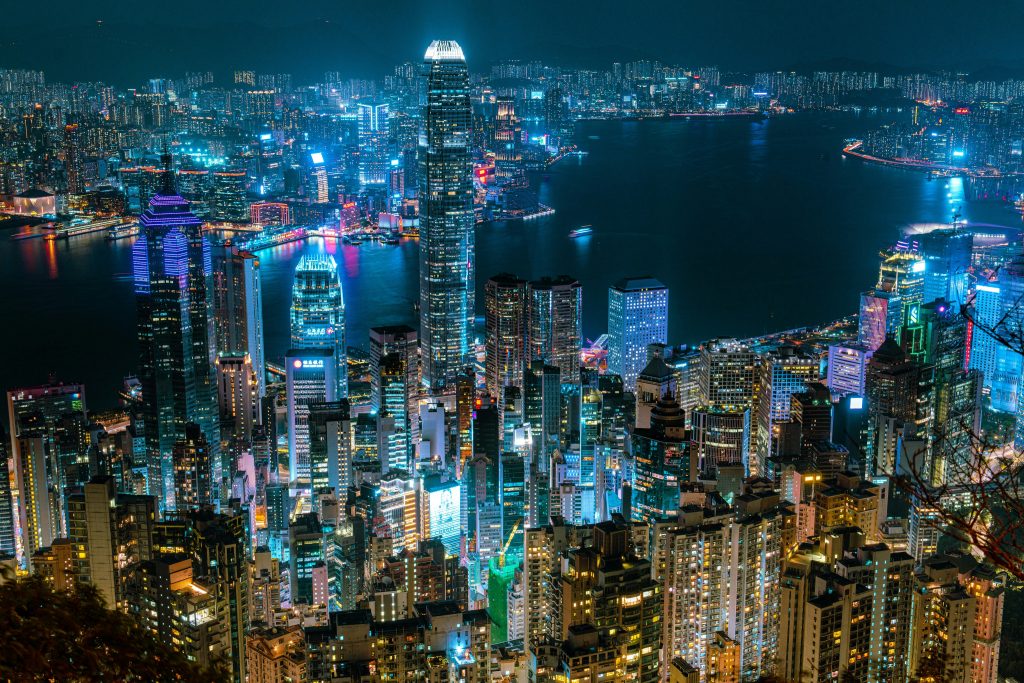
Hong Kong’s meetings appeal barely needs explaining: near round-the-clock connectivity from every global hub, a compact footprint that lets a group cross from Kowloon to Hong Kong Island inside twenty minutes, and a skyline that still stops first-time visitors mid-sentence. What keeps groups coming back, though, is how much can be built around a single body of water. Victoria Harbour isn’t scenery here, it’s infrastructure — a stage for entrances, a backdrop for dinner, and often the fastest way to move a group between venues.
On the Kowloon waterfront, Harbour Grand Kowloon puts groups a genuinely short walk from Hung Hom’s public pier, with sweeping harbour views running from its rooftop pool deck down to its business floors — useful when a private cruise departure needs to work around a packed meeting agenda, rather than the other way round.
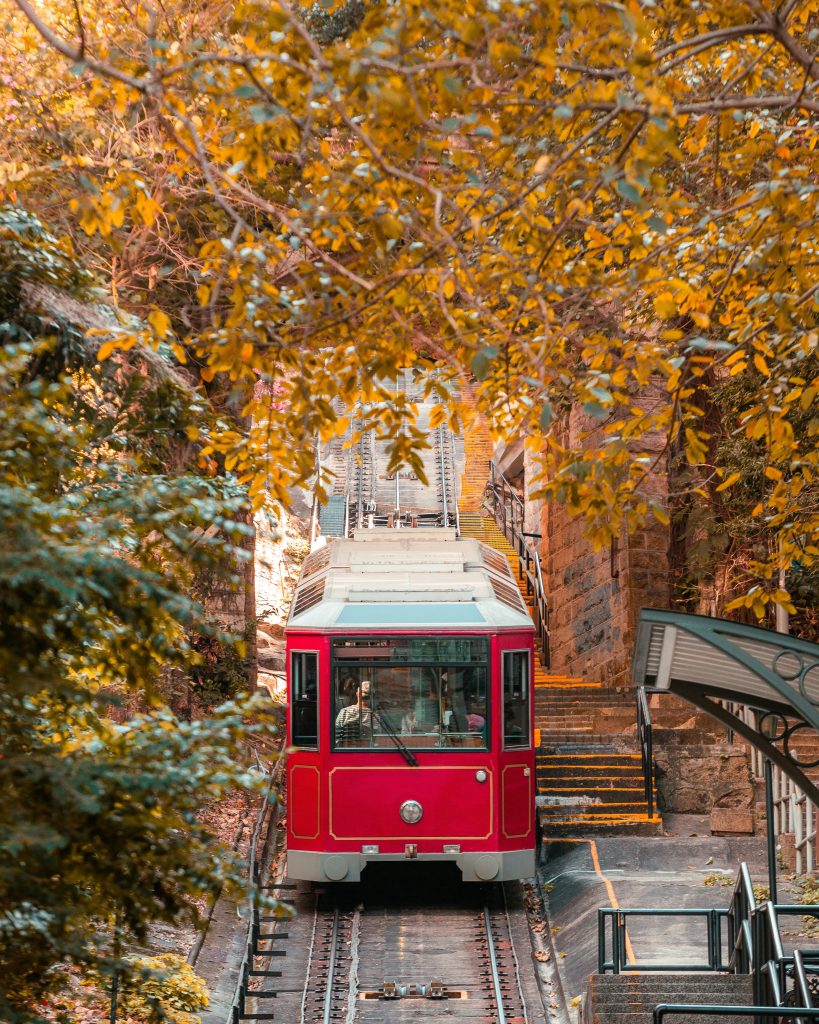
Just arrived? Head up above the city. Aqua, seventeen floors above Tsim Sha Tsui, pairs Italian and Japanese kitchens with an open-air terrace and can be taken as an exclusive private room or terrace facing west across the harbour; Ozone, one of the world’s highest bars, can hold a cordoned-off section of its own; and MoA Dining, at harbour level rather than rooftop, trades altitude for an equally spectacular view straight across the water. Which one wins usually comes down to how private the group wants the room to feel.
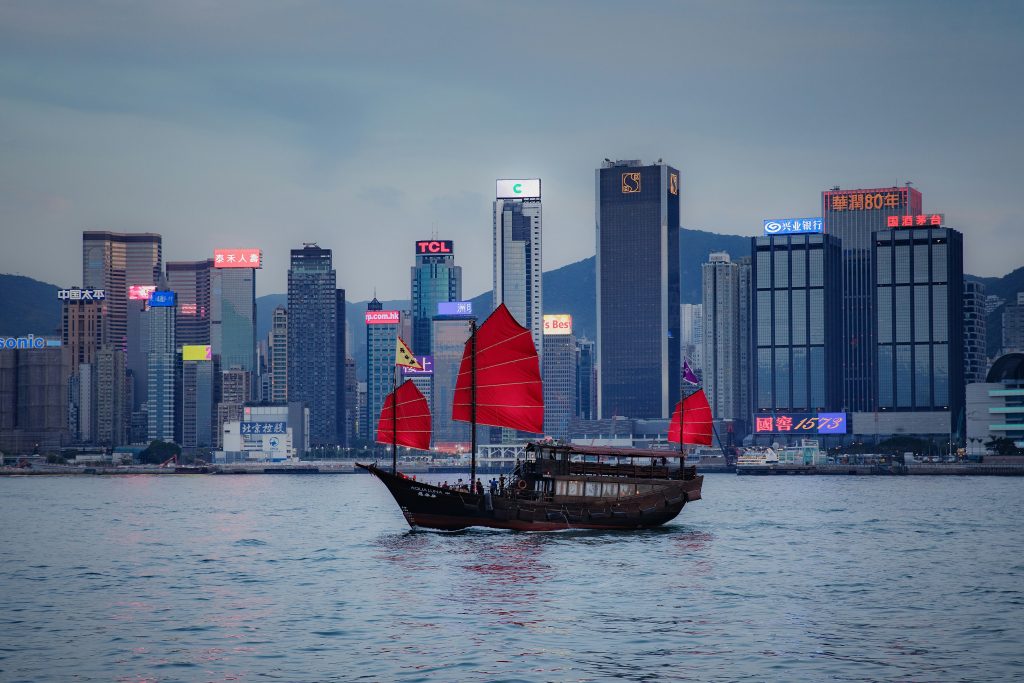
A must-do in Hong Kong has to be the red-sailed junk boats. Beat the city traffic and plan a route on the water to make a transfer to from your hotel to a dinner venue part of the experience, not an unwelcome challenge.
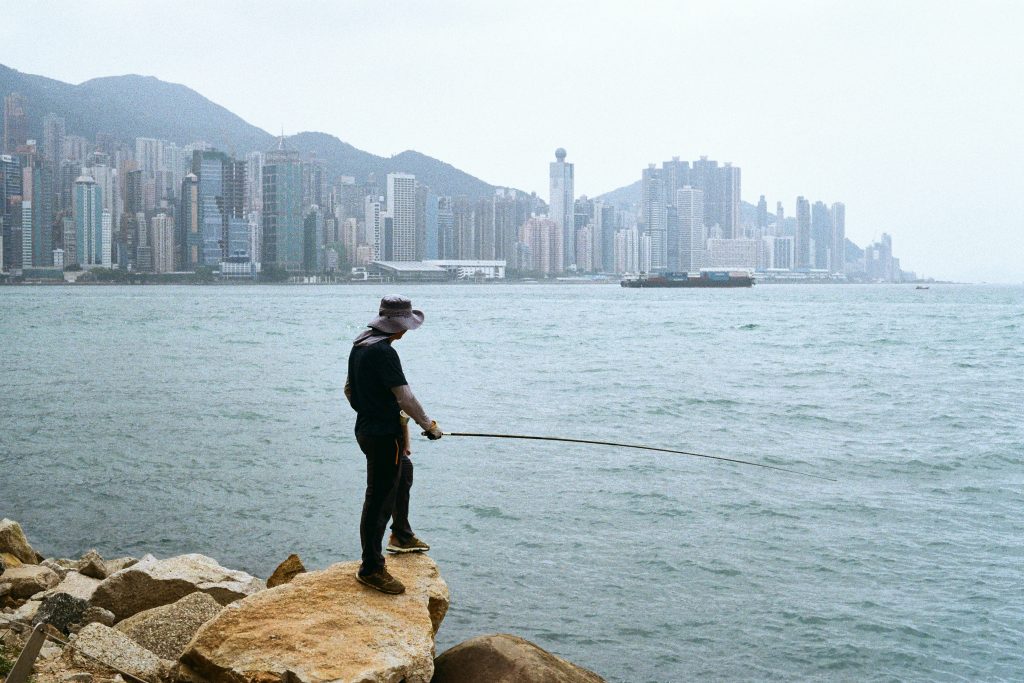
For a change of pace entirely, a seafood dinner on Lamma Island swaps the skyline for a fishing-village atmosphere that most itineraries never reach. Rainbow Seafood Restaurant runs its own shuttle boat across from Hong Kong Island, a twenty-five-minute crossing that turns a dinner reservation into a small adventure in its own right — and the kind of evening that tends to get remembered longer than the meeting that preceded it.
This is a touch of the eclectic and vibrant offerings in Hong Kong. We have a group heading there in August which consists of three very distinct and exciting programmes around their meetings. Let us know if you’d like to build out an itinerary of your own.
Creative quarter
Tight budgets, sharper ideas
Why 2026’s squeezed budgets are a puzzle that’s driving smart thinking
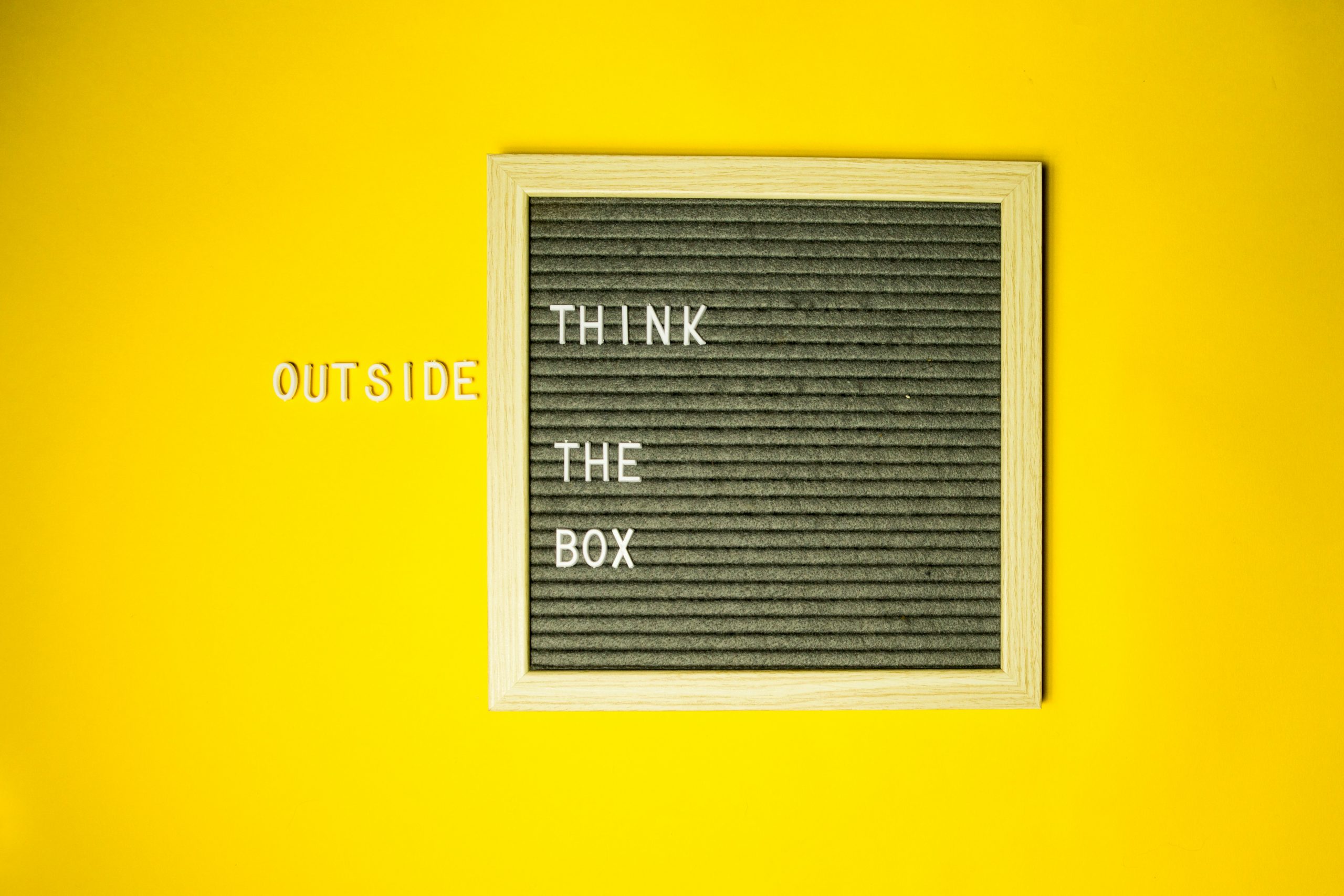
The easy autumn story this year is that budgets are tighter, so events get smaller, safer and a little less interesting. We’d argue the opposite is happening.
Constraint is a better creative brief than abundance ever was, and the programmes doing well this year aren’t the ones quietly cutting corners — they’re the ones using the pressure to make sharper, more human choices about where the money actually goes.
We’ve seen this play out at very different scales this year. One of the largest flagship gatherings we deliver put real scrutiny on every line of spend — and the response wasn’t simply doing less, it was redirecting budget toward what delegates actually experience. Examples being content that felt personalised to their needs alongside a tranformation of the space, and story-arc, from day 1 and into day 2 of the content to keep things fresh.
At the other end, we’ve run a series of smaller meeting roadshows took the opposite shape entirely: not one big set-piece but a run of intimate, market-specific gatherings. The constraint here wasn’t scale, it was breadth — covering multiple markets properly on a leaner budget than a single global rebuild would allow.
That was two ends of the same idea, being smart and focusing on outcomes.
Achieved through innovation, authenticity – being focused on your audience always wins.